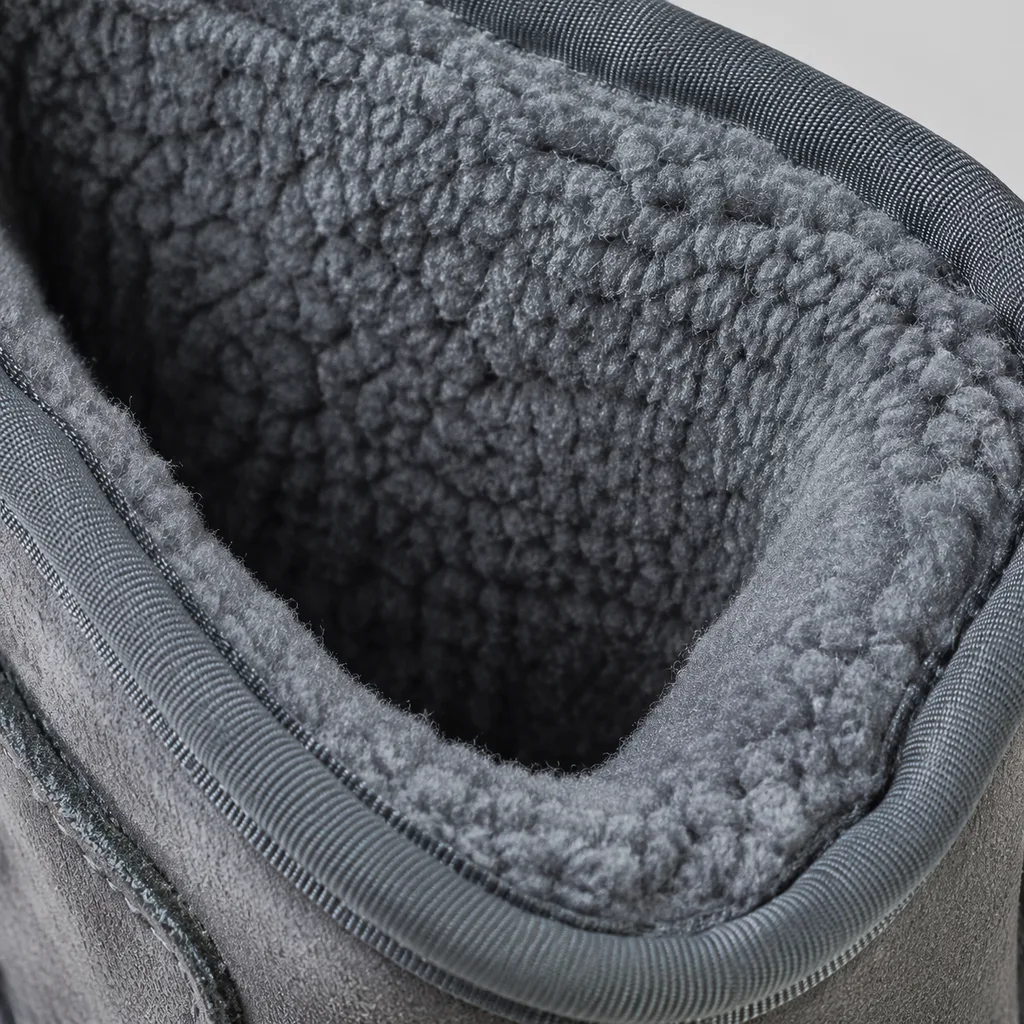
This guide is written for product teams, importers, wholesalers, and brand operators. Use it to structure supplier conversations and document decisions before samples or bulk production move forward.
Define warmth in the intended use context
Activity level, exposure time, wind, moisture, socks, fit, ground contact, and individual circulation all affect thermal comfort. A commuter, child at play, stationary worker, and winter hiker have different needs. Describe the use context and avoid promising one universal comfort temperature. Qualified testing and responsible product copy should support any specific performance claim.
Compare insulation by more than thickness
Review fiber structure, loft, weight, compression, recovery, moisture behavior, sewability, durability, and supplier consistency. A bulky material may lose space without delivering proportional benefit, while a thin technical layer may require careful handling and evidence. Approve the exact construction, not only a generic material name or sample swatch.
Treat lining, footbed, and outsole as part of the system
The shaft lining influences feel and moisture, the footbed can reduce heat loss underfoot, and the outsole separates the foot from cold ground. Seams, closures, and fit also change air movement and comfort. Evaluate the complete boot on foot. Isolating one insulation value can hide weaknesses elsewhere in the construction.
Protect fit and repeatability
Insulation consumes internal volume and can compress differently across panels. Fit with intended socks after the sample has flexed and settled. Record insulation code, weight or thickness specification, coverage map, quilting or attachment, and approved tolerances. During production, verify material identity and placement before the lining is closed inside the upper.
Decision framework
Buyer checklist
- Describe activity, exposure, moisture, and socks
- Approve the exact insulation reference
- Map insulation coverage by panel
- Fit the complete boot after flexing
- Use careful evidence for any temperature claim
Continue the specification
Move from research to a controlled brief.
Frequently asked questions
Questions buyers ask next
How much insulation should a snow boot have?
There is no universal amount. The right construction depends on use, climate, activity, fit, socks, moisture, materials, and the evidence needed for product claims.
Does thicker insulation always mean a warmer boot?
No. Fiber structure, compression, moisture, coverage, fit, footbed, outsole, and full construction all influence thermal comfort.