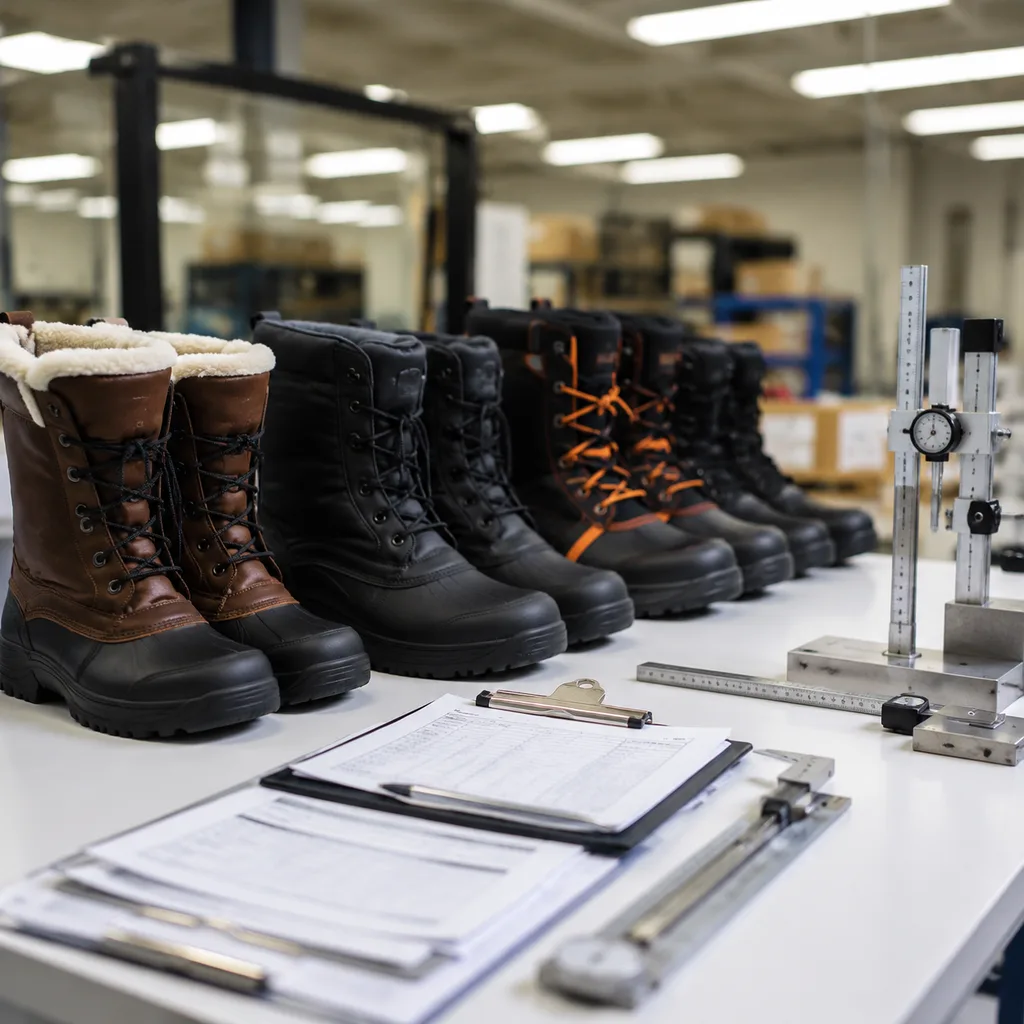
This guide is written for product teams, importers, wholesalers, and brand operators. Use it to structure supplier conversations and document decisions before samples or bulk production move forward.
Use OEM when the specification is the advantage
OEM is appropriate when fit, construction, materials, tooling, or a unique feature must follow a buyer-defined direction. It provides the most control, but usually requires more technical decisions, sample rounds, and coordination. The buyer should have a clear product owner who can close comments and protect the approved specification through production.
Use ODM when a proven platform creates leverage
ODM starts from a supplier-developed platform and adapts permitted elements. It is useful when speed matters but buyers still want meaningful choice in materials, colors, trims, or features. The main discipline is to keep changes within an agreed envelope so development does not drift toward a full OEM project without the required budget or schedule.
Use private label when brand application is the priority
Private label is usually the most focused model: select a suitable existing product, then apply brand identifiers and packaging. It can be effective for testing demand, filling assortment gaps, or launching a seasonal capsule. Product selection remains critical because a logo cannot correct poor channel fit, inconsistent sizing, or the wrong weather construction.
Combine models across an assortment
A brand does not need one model for every SKU. Core high-volume styles may justify OEM investment, fast-moving seasonal additions may use ODM, and entry products may use private label. Create a decision table using volume, uniqueness, timing, margin, tooling tolerance, and internal resources. This makes the model a deliberate portfolio choice rather than a supplier label.
Decision framework
Buyer checklist
- Score required product differentiation
- Set available development time
- Define tooling and sample budget
- Assess internal technical ownership
- Choose the model by SKU, not by habit
Continue the specification
Move from research to a controlled brief.
Frequently asked questions
Questions buyers ask next
Which model has the lowest MOQ?
Private label or lightly modified ODM often has the best chance of lower minimums because existing components are reused. Actual MOQ depends on materials, colors, sizes, branding, and supplier policy.
Can a buyer start private label and move to OEM later?
Yes. Many buyers test a category with a proven platform, then invest in custom construction after demand, fit feedback, and price architecture are validated.