This guide is written for product teams, importers, wholesalers, and brand operators. Use it to structure supplier conversations and document decisions before samples or bulk production move forward.
Define what OEM means for this project
OEM can range from modifying a factory base to developing a new upper, last, outsole, or construction. List which elements must be unique and which can use proven components. This scope determines tooling, sample rounds, technical risk, MOQ, and timing. Ask the manufacturer to separate existing components from newly developed ones in the quotation and development plan.
Lock the technical brief in layers
Start with use case, market, target consumer, fit, and price architecture. Then specify upper materials, lining, insulation, waterproof approach, closure, outsole, branding, packaging, and test expectations. Treat reference images as direction rather than specifications. A component-level bill of materials and measurement sheet should gradually replace visual assumptions as samples progress.
Control samples with decision gates
Use early samples to confirm silhouette and construction, fit samples to validate measurements and internal volume, and confirmation samples to lock materials, colors, branding, and packaging. Label each round clearly and close comments before starting the next. When several variables change at once, it becomes difficult to identify why fit, cost, or appearance moved.
Translate approval into bulk controls
The approved sample should connect to production documents, material standards, color references, size grading, inspection criteria, and packing instructions. Identify critical-to-quality points such as waterproof seams, outsole bonding, logo position, and size measurements. Agree how first production, in-line findings, and final inspection will be reported before the order enters the busiest seasonal window.
Decision framework
Buyer checklist
- Separate custom and existing components
- Create a component-level technical brief
- Approve samples through named decision gates
- Lock size grading before bulk cutting
- Define critical QC points and packing instructions
Continue the specification
Move from research to a controlled brief.
Frequently asked questions
Questions buyers ask next
What is an OEM snow boot?
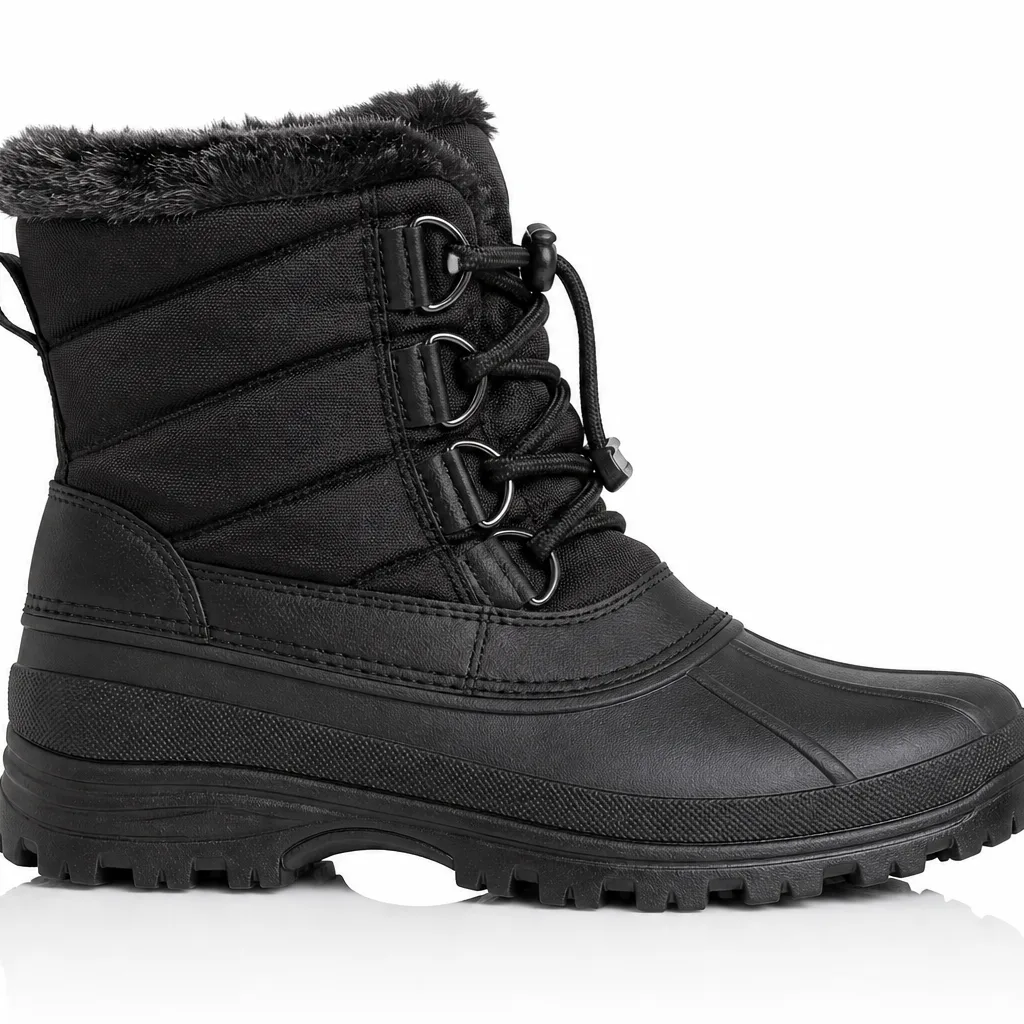
An OEM snow boot is produced to a buyer-controlled specification. The level of customization can range from material and branding changes to a new upper, outsole, last, or construction.
Does OEM always require new tooling?
No. Buyers can use existing lasts and outsoles while customizing uppers, materials, colors, and branding. New tooling is needed only when the approved design requires a new molded component or fit platform.