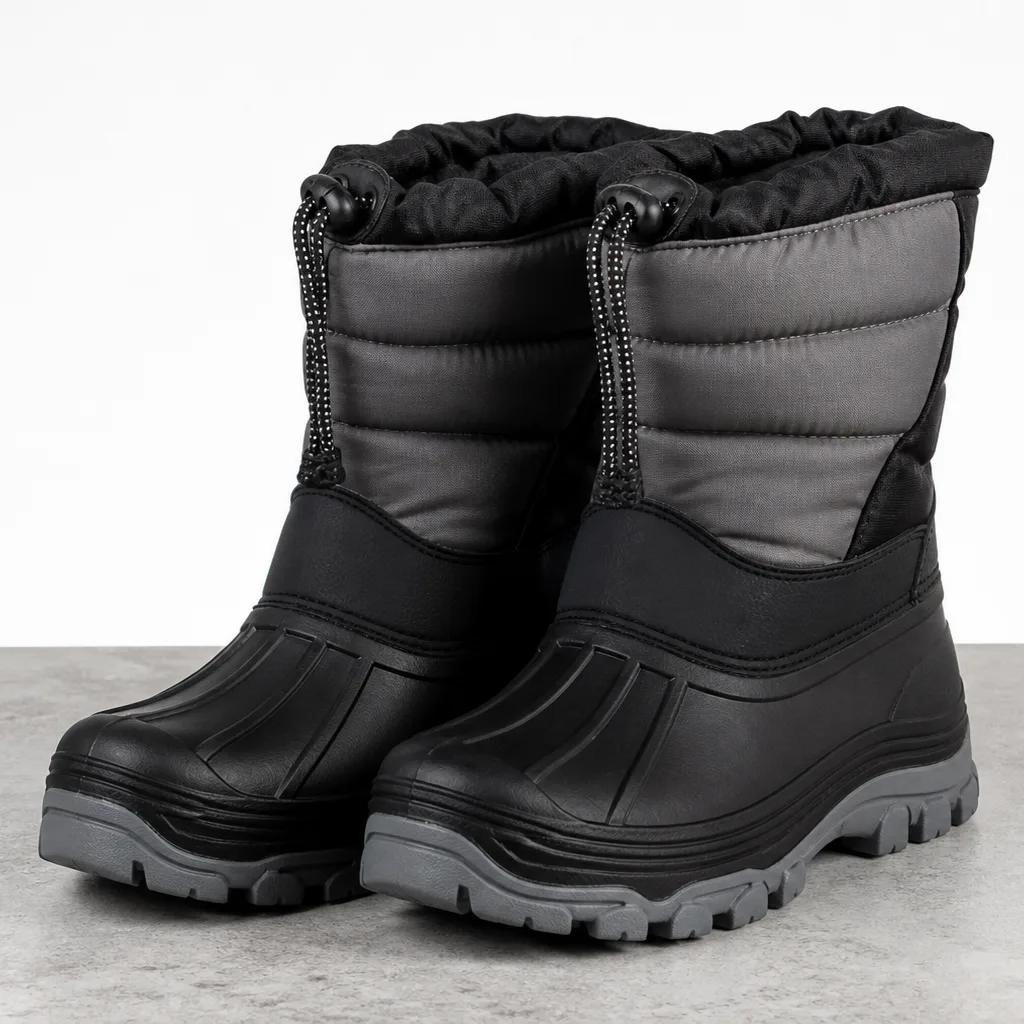
This guide is written for product teams, importers, wholesalers, and brand operators. Use it to structure supplier conversations and document decisions before samples or bulk production move forward.
Stage 1: commercial and product brief
Define the consumer, climate, use case, retail channel, target price, expected volume, launch date, and non-negotiable features. Add reference images and competitor samples if available, but label what should be copied only as direction and what must be original. The manufacturer should respond with feasibility questions, component options, estimated development steps, and commercial assumptions.
Stage 2: construction and prototype
Agree the last and outsole direction, upper pattern, materials, lining, insulation, waterproof method, closure, and branding zones. The first prototype should test overall construction and proportions rather than carry every final detail. Record measurements and material codes so successful decisions survive into later samples. Flag any temporary component clearly.
Stage 3: fit, wear review, and confirmation
Use fit samples to check internal length, width, instep, heel hold, entry, lining bulk, sock allowance, and movement. Review the boot in the intended socks and use context. The confirmation sample then locks final materials, colors, logos, and packaging. Avoid approving fit from photography or assuming a single sample size proves the full grade.
Stage 4: grading and production handoff
Approve the size grade, bill of materials, color standards, artwork, packing instructions, inspection criteria, and controlled reference sample. The handoff should identify critical points, tolerances, and approved exceptions. First production review is the final opportunity to catch interpretation gaps before volume increases, so schedule it as a milestone rather than an informal update.
Decision framework
Buyer checklist
- Assign one decision owner on the buyer side
- Give every sample round a named purpose
- Record temporary versus final components
- Validate fit in the intended use context
- Complete a documented production handoff
Continue the specification
Move from research to a controlled brief.
Frequently asked questions
Questions buyers ask next
How many samples does custom snow boot development require?
There is no universal number. Complexity, new tooling, fit changes, material availability, and approval quality all affect the number of rounds. Define the purpose and acceptance criteria for each sample.
When should packaging development begin?
Begin packaging during product development so labels, size information, inserts, box dimensions, and packing method are approved before production is complete.