This guide is written for product teams, importers, wholesalers, and brand operators. Use it to structure supplier conversations and document decisions before samples or bulk production move forward.
Choose the platform before choosing the color
A useful ODM review starts with fit, outsole geometry, shaft height, waterproof construction, and target use. These structural decisions are harder to change than colors or logo treatments. Compare available platforms against your consumer and price point, then shortlist only the models that meet the non-negotiable performance and fit requirements.
Define an approved modification envelope
Ask which upper panels, materials, linings, trims, closures, colors, logos, and packaging elements can change without new tooling or extensive testing. Record any minimums tied to special fabrics, molded colors, or branded components. A clear modification envelope keeps the project within the speed and cost advantage that made ODM attractive in the first place.
Protect differentiation with coordinated choices
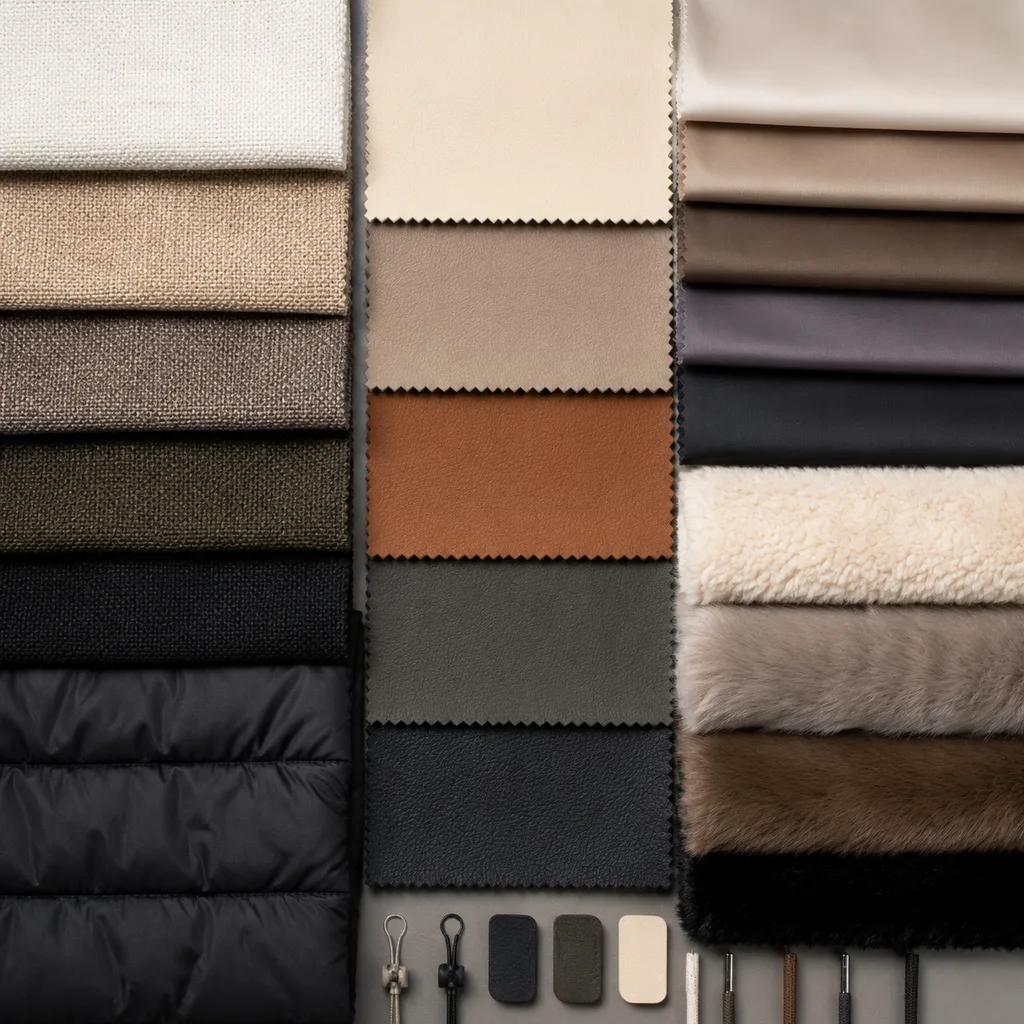
ODM does not have to look generic. A focused material palette, distinctive color blocking, consistent trims, custom labels, and channel-appropriate packaging can create a coherent brand expression. Concentrate customization where consumers notice it and where the supplier can repeat it reliably. Avoid stacking small changes that increase complexity without improving the product story.
Confirm commercial and design rights
Clarify whether the platform is non-exclusive, whether specific artwork or buyer-created modifications remain confidential, and whether any tooling is shared. Put approved use of logos, packaging files, and buyer-provided designs in writing. When exclusivity matters, obtain appropriate legal advice and define the exact product, market, duration, and conditions rather than relying on a broad verbal promise.
Decision framework
Buyer checklist
- Shortlist platforms by fit and construction
- Document changes allowed without new tooling
- Consolidate special materials and colors
- Approve branding and packaging with the boot
- Clarify confidentiality and platform availability
Continue the specification
Move from research to a controlled brief.
Frequently asked questions
Questions buyers ask next
What is the difference between ODM and OEM snow boots?
ODM usually adapts a supplier-developed platform, while OEM follows a more buyer-controlled specification. Actual scope varies, so define which components are existing and which are newly developed.
Can an ODM snow boot still be private label?
Yes. Buyers often apply their own logo, colors, labels, and packaging to an ODM platform, subject to the supplier’s modification options and commercial terms.