This guide is written for product teams, importers, wholesalers, and brand operators. Use it to structure supplier conversations and document decisions before samples or bulk production move forward.
Brand an existing proven platform
Using an established construction can reduce development time and expose fewer technical unknowns. Differentiate through labels, insoles, hangtags, and packaging while retaining the core materials and tooling. Buyers should still verify fit, performance claims, availability, and whether the platform is shared with other markets.
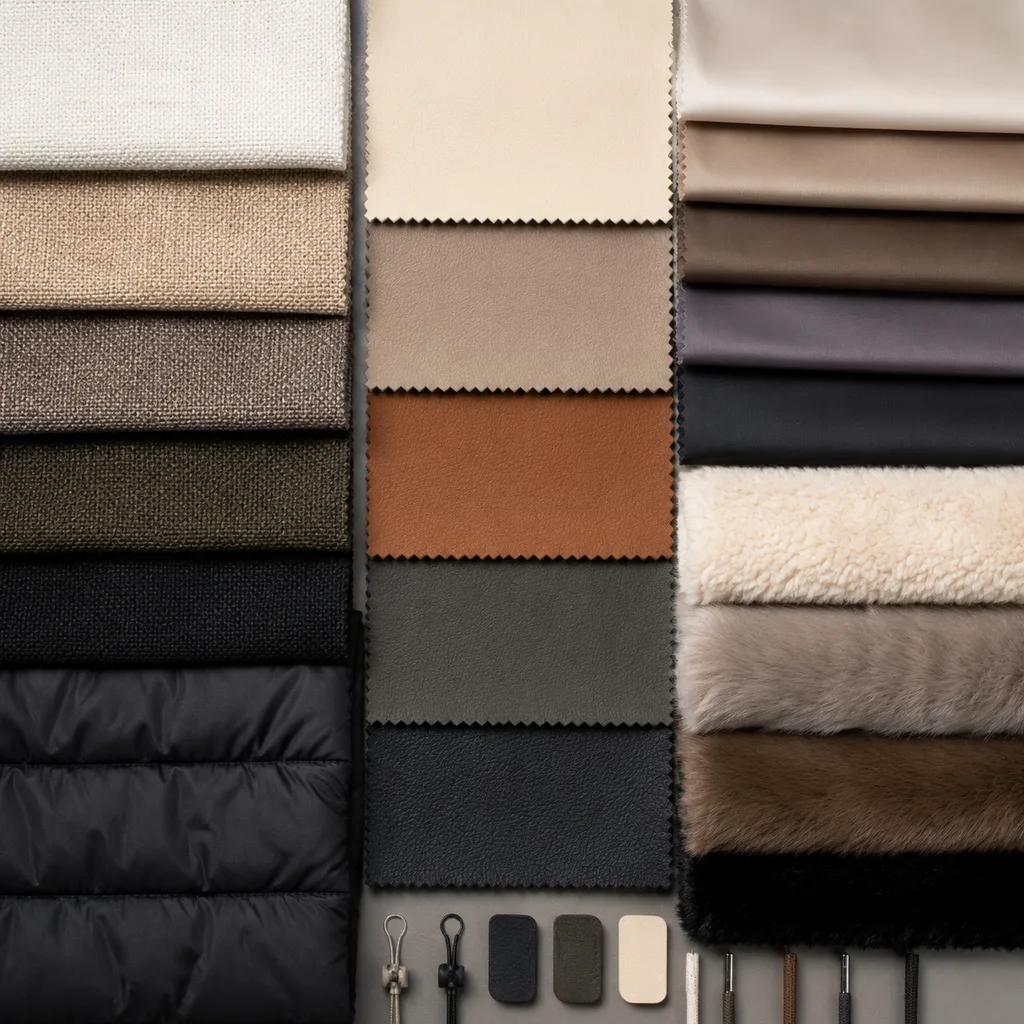
Build a focused color and material capsule
A small coordinated palette can create a seasonal story without multiplying every component. Use shared outsoles, linings, laces, and packaging where possible, then vary high-visibility upper zones. Check color minimums and shade control before expanding the number of SKUs.
Add exclusive trims and signature details
Custom patches, webbing, lace hardware, pull tabs, stitching, heel marks, or printed linings can create recognizable identity on a common base. Prioritize details visible in product photography and at retail. Test attachment durability and control placement with drawings and approved references.
Adapt the range for one regional consumer
Regionalization can focus on climate, size distribution, channel price, color preferences, and use case. Avoid making superficial changes while retaining an unsuitable fit or warmth package. Use local sales and return evidence to define the assortment instead of assuming one global configuration.
Stage custom tooling after demand validation
Launch with an existing outsole or mold, then invest in exclusive tooling after the brand has fit and sell-through evidence. This protects early cash and shortens the first launch while preserving a path to stronger differentiation. Define future tooling ownership and compatibility during the initial program.
Decision framework
Buyer checklist
- Confirm platform status, allowed branding changes, and market availability
- Limit custom colors to components with workable minimums
- Select signature details that are visible, durable, and repeatable
- Tie regional changes to consumer, climate, fit, and channel evidence
- Create a staged roadmap from shared platform to exclusive tooling
Continue the specification
Move from research to a controlled brief.
Frequently asked questions
Questions buyers ask next
What should buyers prioritize first from this list?
New programs usually benefit from starting with a proven platform or focused capsule. These approaches generate fit, demand, and supplier-performance evidence before the buyer commits to high-cost differentiation.
Does every snow boot program need all five items?
The strategies can form a progression rather than separate choices. A brand may start with platform branding, add signature trims, regionalize the assortment, and introduce custom tooling after repeat demand is established.