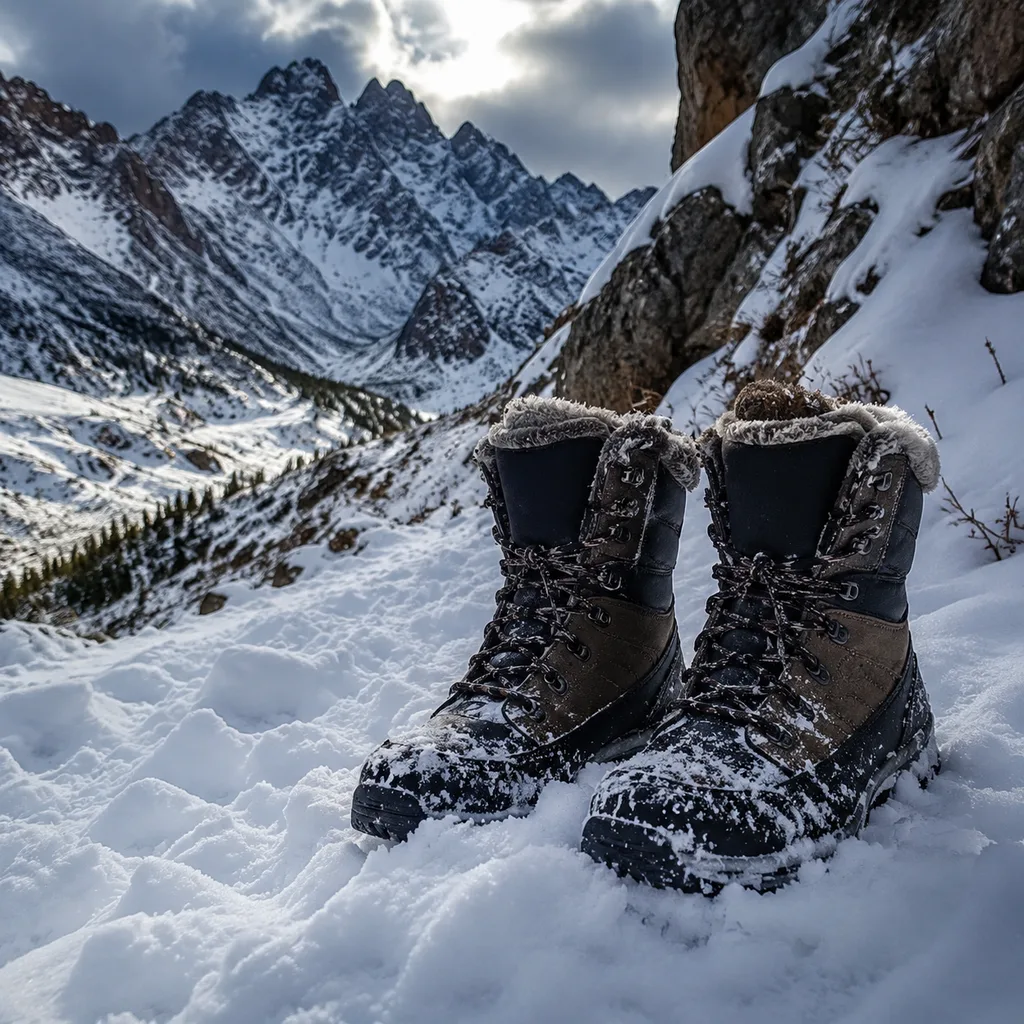
This guide is written for product teams, importers, wholesalers, and brand operators. Use it to structure supplier conversations and document decisions before samples or bulk production move forward.
Write a terrain and activity profile
Describe distance, pace, load, terrain, snow depth, wet exposure, temperature context, and indoor transition. A casual winter walker and a technical mountain user need different support, outsole, weather construction, and testing. Use the profile to rank priorities instead of requesting maximum stiffness, maximum insulation, and minimum weight at the same time.
Develop fit for movement and winter socks
Check toe allowance on descents, heel hold on climbs, instep security, ankle movement, forefoot flex, and pressure from hardware or seams. Fit with the intended sock and insulation package. Review both feet and more than one tester where possible. A static length measurement cannot reveal heel lift, toe impact, or collar conflict during movement.
Coordinate upper support and waterproof construction
Panels, overlays, eye stays, collar foam, tongue gusset, membrane handling, and sole attachment work as one system. Support materials should not create hard flex points or needle paths that undermine the intended waterproof boundary. Mark critical seam and reinforcement zones on the technical specification, then inspect them before the upper is lasted.
Validate traction and durability for the claim
Select test methods and field evaluations with qualified partners based on target surfaces and marketing claims. Review outsole compound, lug geometry, flex, bonding, abrasion, hardware, and cold-condition behavior. State limitations honestly: no outsole can guarantee grip on every form of ice. Product copy should reflect verified evidence and responsible use expectations.
Decision framework
Buyer checklist
- Document terrain, distance, load, and conditions
- Fit during uphill and downhill movement
- Coordinate support panels with waterproof details
- Define traction and durability test scope
- Keep product claims within verified evidence
Continue the specification
Move from research to a controlled brief.
Frequently asked questions
Questions buyers ask next
What is different about winter hiking boot development?
Winter hiking adds insulation, moisture, snow, cold-condition material behavior, and traction requirements to the fit and support needs of hiking footwear.
Can one outsole work for city and trail winter boots?
Possibly, but the geometry, compound, weight, flex, appearance, and test evidence must suit both intended uses. Shared tooling should follow product fit, not lead it.