This guide is written for product teams, importers, wholesalers, and brand operators. Use it to structure supplier conversations and document decisions before samples or bulk production move forward.
Urban commuter winter boots
Commuter boots should balance weather protection with a clean shape, manageable weight, and compatibility with everyday clothing. Prioritize reliable entry, flexible walking comfort, and an outsole suited to mixed indoor and outdoor use. Avoid excessive tread or insulation when the consumer spends limited time outside.
Work and utility winter boots
Utility directions emphasize durability, coverage, grip, easy cleaning, and practical closures. If safety claims are planned, identify the applicable market requirements and qualified testing path early. Do not imply protective performance from a rugged appearance or reinforced-looking toe alone.
Winter hiking boots
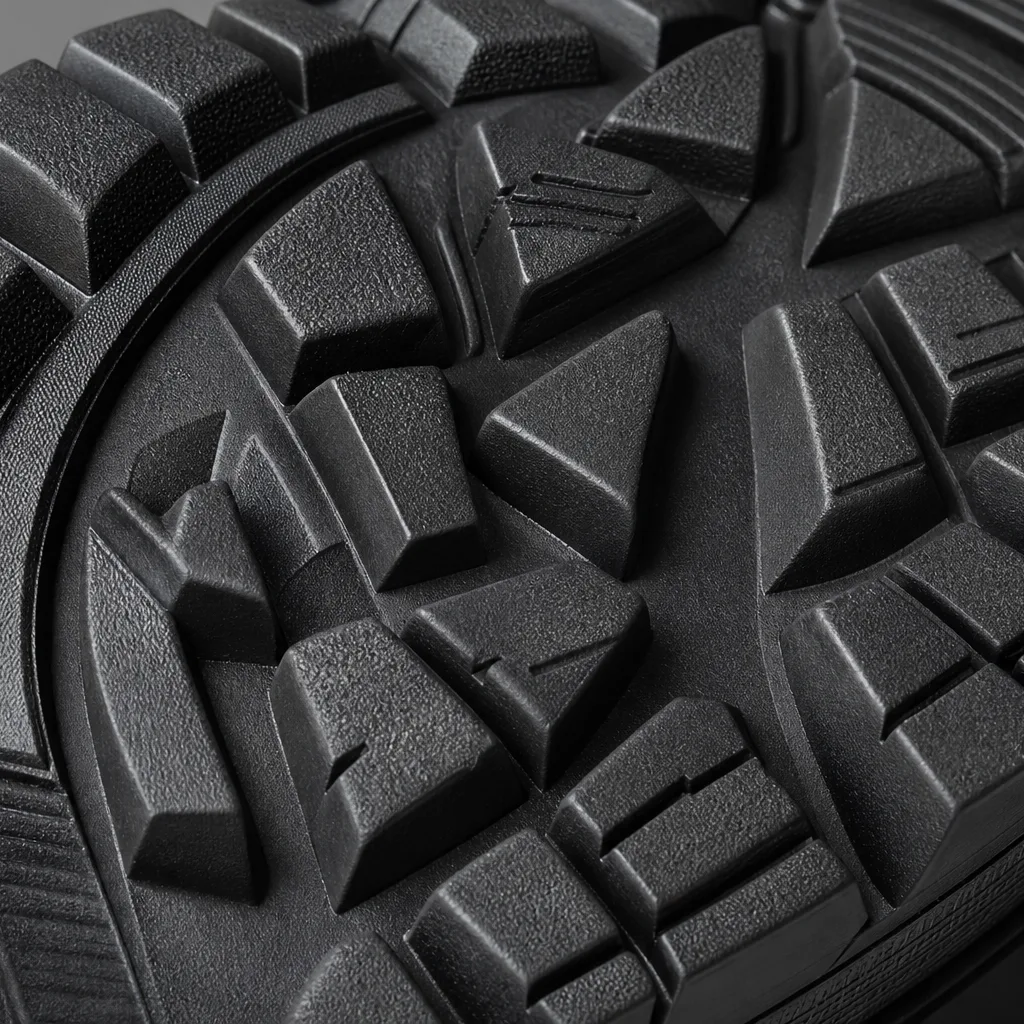
Winter hiking programs require a clear terrain and activity brief. Review support, flex, cold-conditioned outsole behavior, water protection, lacing, weight, and sock volume as one system. A deep tread is only one part of traction and does not establish suitability for every winter surface.
Pull-on and side-zip winter boots
Convenient entry can appeal to consumers who value speed and glove-friendly use. Pull-on and side-zip designs need careful heel retention, opening dimensions, gusset design, and zipper protection. Test entry across representative sizes and with intended sock thickness.
Casual and après-ski boots
Casual winter styles can use padded collars, quilted uppers, warmer visual materials, and simpler outsole profiles. Keep the product claim aligned with actual construction and expected exposure. The category should offer a clear lifestyle role rather than duplicate the commuter boot with decorative changes.
Decision framework
Buyer checklist
- Define commute duration, climate, indoor transition, and style constraints
- Separate general utility features from regulated safety claims
- Specify terrain, duration, support, flex, and water exposure
- Review entry, heel hold, closure durability, and water-path control
- Give the casual category a distinct use case, look, and price role
Continue the specification
Move from research to a controlled brief.
Frequently asked questions
Questions buyers ask next
What should buyers prioritize first from this list?
Prioritize the category with the strongest channel demand and clearest use case. A retailer serving outdoor consumers may anchor with winter hiking, while an urban channel may lead with a commuter boot.
Does every snow boot program need all five items?
A balanced range can include several categories, but each should have a documented consumer, price, and feature role. Remove styles that differ only in minor cosmetic details yet compete for the same demand.