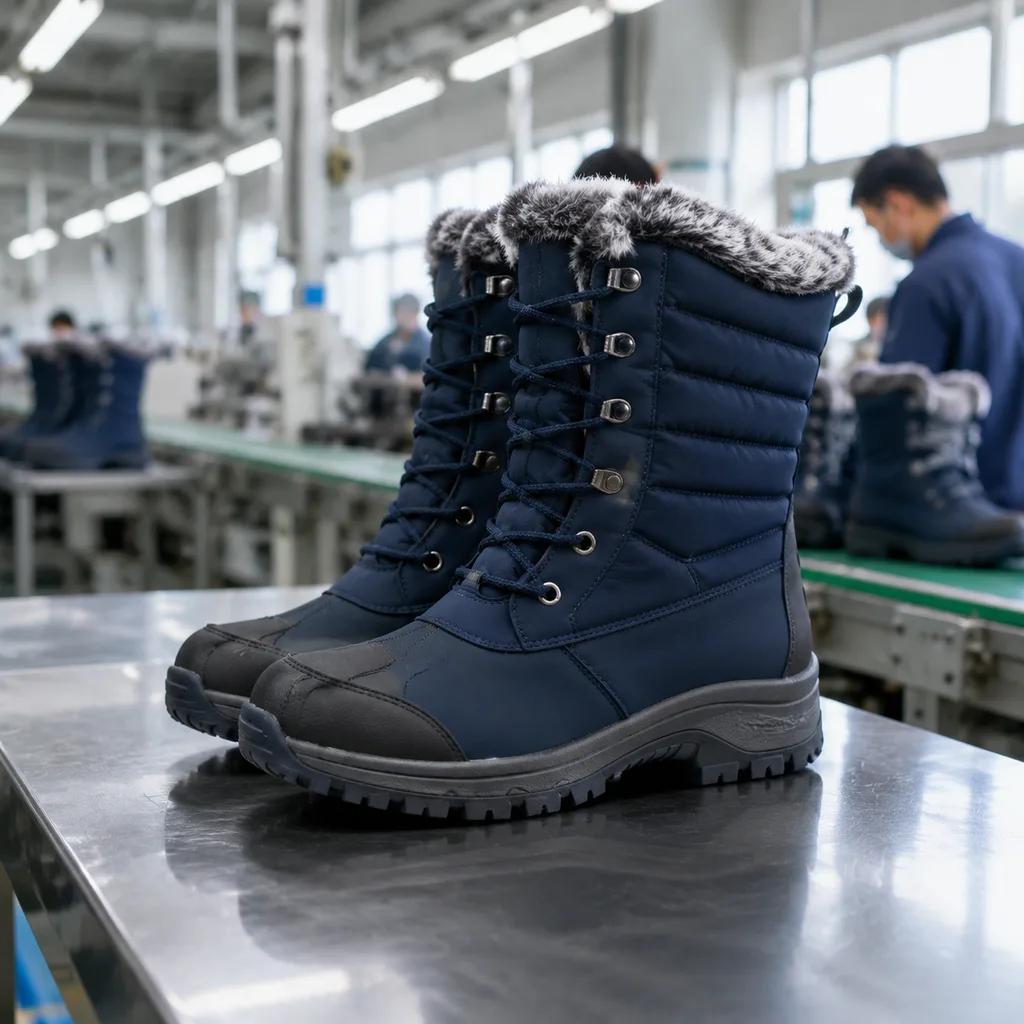
This guide is written for product teams, importers, wholesalers, and brand operators. Use it to structure supplier conversations and document decisions before samples or bulk production move forward.
Start with historical sales and return data
Review units, sell-through, stockouts, markdowns, exchanges, and fit comments by size, style, gender, and channel. Separate true demand from inventory constraints. A size that sold slowly may have been overbought, while a size that sold out early may indicate missed demand.
Define the target consumer and fit platform
Age, gender or unisex direction, region, foot shape, intended socks, lining bulk, and last influence the required size range. Do not copy a size curve from a different fit platform without review. Confirm conversion labels against actual approved fit.
Validate grading at range representatives
Check small, base, middle, and large sizes as appropriate for toe volume, instep, opening, shaft, heel hold, outsole proportion, and closure range. Grade rules can create problems at the ends even when the base size is correct. Align patterns, lasts, molds, and measurements.
Build size ratios by SKU role and channel
Core waterproof styles may need broader depth than fashion accents or work-specific programs. Allocate ratios by consumer role, price, channel, and historical evidence. Recalculate component and carton assortments so the chosen curve remains practical for production and warehouse handling.
Use reorder and feedback rules
Define stock thresholds, sell-through triggers, return alerts, and the last feasible reorder date before launch. Capture fit comments by size and issue, not only overall return rate. Feed results into the next season's last, grading, and ratio decisions.
Decision framework
Buyer checklist
- Normalize size performance for stock availability, returns, and channel
- Connect the size range to consumer, last, lining, socks, and market
- Approve representative graded sizes before bulk size allocation
- Set size ratios by SKU role and test carton-assortment practicality
- Create size-level reorder, return, and next-season correction rules
Continue the specification
Move from research to a controlled brief.
Frequently asked questions
Questions buyers ask next
What should buyers prioritize first from this list?
Start with consumer-fit definition and corrected historical data. Size ratios should be built only after confirming that the underlying last and size labels suit the target market.
Does every snow boot program need all five items?
All five methods improve the curve. New brands may have less sales history, so they should rely more on fit evidence, channel data, conservative depth, and rapid learning after launch.