This guide is written for product teams, importers, wholesalers, and brand operators. Use it to structure supplier conversations and document decisions before samples or bulk production move forward.
Faux-fur lining
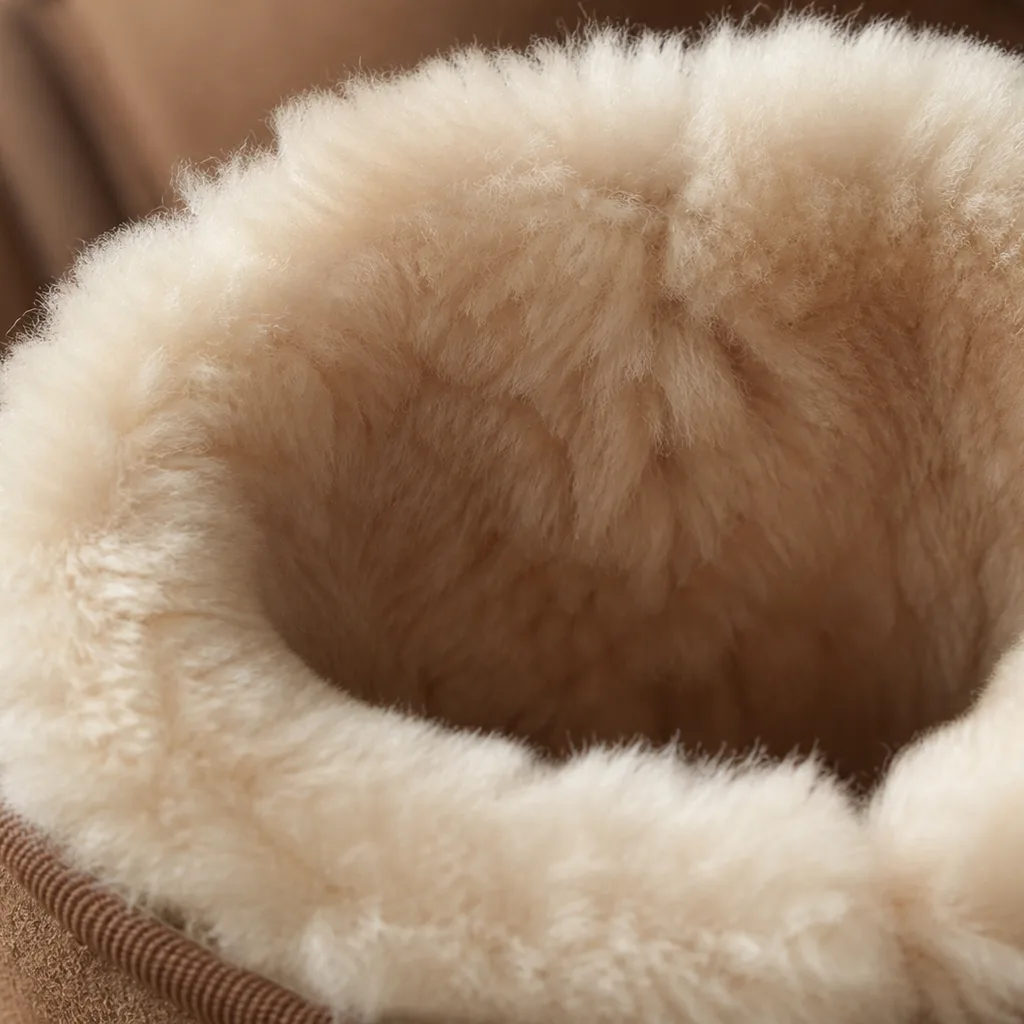
Faux fur creates strong visual warmth and a soft hand, making it useful for fashion, après-ski, and cold-climate positioning. Control pile length, density, backing, shade, shedding, seam direction, and compression. Thick pile changes internal volume, so fit approval must use the final lining rather than a substitute.
Polyester fleece
Fleece can provide a balanced combination of softness, lower bulk, color flexibility, and manageable cost. Review weight, brushing, pilling, recovery, moisture behavior, and seam comfort. It may suit active or everyday programs where plush appearance is less important than consistent fit and drying.
Brushed knit or tricot lining
Brushed knit and tricot options can create a smooth, controlled interior with less bulk around the foot and ankle. They support easier entry and precise fit, but warmth depends on the complete insulation package. Check snagging, abrasion, color migration, stretch, and bonding compatibility.
Wool or wool-blend lining
Wool blends can support premium natural-material positioning and moisture buffering, but composition, hand feel, shrinkage, abrasion, odor, color, and sourcing consistency require control. Verify labeling and claim requirements for the target market. Cost and minimums may differ from synthetic alternatives.
Moisture-managing technical textile
Technical linings can focus on wicking, faster drying, abrasion, or reduced friction for active winter use. Performance depends on fiber, knit, finish, and placement rather than a marketing name. Ask for relevant material evidence and test the lining inside the complete boot under expected use.
Decision framework
Buyer checklist
- Approve pile, backing, shade, shedding, compression, and final fit
- Specify fleece weight, finish, recovery, pilling, and moisture needs
- Validate surface durability, stretch, bonding, and complete warmth package
- Confirm composition, claims, shrinkage, abrasion, sourcing, and labeling
- Connect technical lining claims to material evidence and wear testing
Continue the specification
Move from research to a controlled brief.
Frequently asked questions
Questions buyers ask next
What should buyers prioritize first from this list?
Start with the consumer and activity level. Faux fur may lead a fashion-led program, while fleece or technical textile may better support active use and controlled fit.
Does every snow boot program need all five items?
Mixed-zone lining is often useful. A boot can use softer material at the collar and a lower-bulk, abrasion-resistant textile around the heel and forefoot, provided seams and transitions remain comfortable.