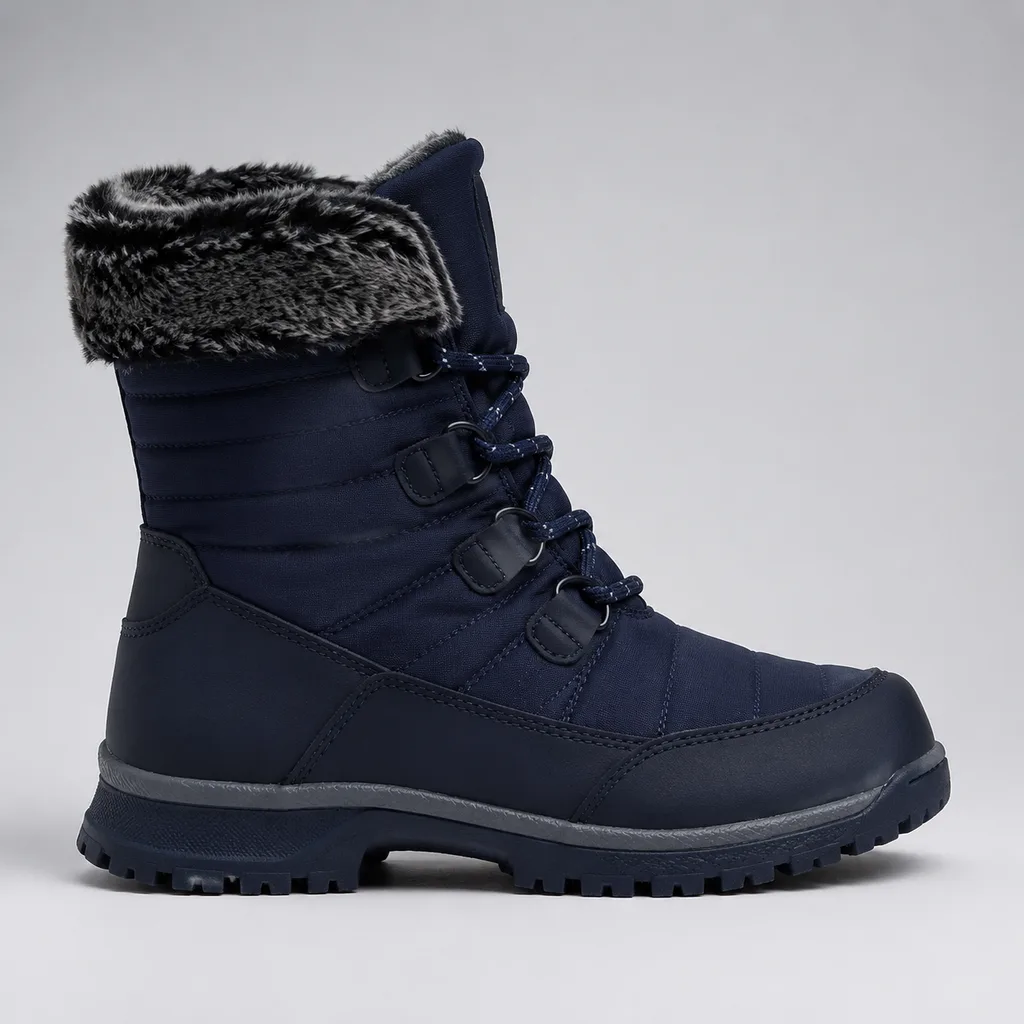
This guide is written for product teams, importers, wholesalers, and brand operators. Use it to structure supplier conversations and document decisions before samples or bulk production move forward.
Begin with a complete decision-ready brief
A vague brief creates samples that answer different questions in every round. Define category, consumer, reference construction, materials, target price, size, fit, claims, branding, and packaging priorities. Mark unknowns so the supplier proposes options before cutting materials or opening tools.
Use a suitable proven platform
An existing last and outsole can reduce pattern, mold, and trial costs when they match the intended fit and use. Request platform dimensions, sizes, material assumptions, and allowed changes. Sampling a mismatched base to save money often creates extra revision rounds.
Group color and material approvals
Approve swatches, finish references, logo methods, and packaging artwork before requesting multiple full samples. Use component boards or partial trials for focused decisions where appropriate. Keep the final confirmation sample complete, but avoid rebuilding the whole boot for every minor visual choice.
Plan review rounds and consolidate comments
Set the purpose of prototype, fit sample, wear or test sample, size set, and confirmation sample. Gather one consolidated response per round with severity and owner. Unplanned duplicate samples and conflicting comments increase courier, material, and labor cost without improving evidence.
Track tooling, testing, courier, and revision charges
Request a development cost schedule that separates patterns, molds, logo tools, sample labor, materials, external testing, courier, and additional revisions. Clarify whether charges are refundable, credited, reusable, or owned by the buyer. Compare scope, not only a single sample price.
Decision framework
Buyer checklist
- Separate confirmed inputs, open decisions, and supplier proposals
- Verify platform fit and construction before paying for customization
- Use the lowest-cost valid sample format for each decision
- Assign a decision purpose and owner to every sample round
- Maintain a development cost ledger with scope and ownership
Continue the specification
Move from research to a controlled brief.
Frequently asked questions
Questions buyers ask next
What should buyers prioritize first from this list?
The complete brief and planned sample sequence should come first. They prevent the buyer from paying repeatedly to resolve questions that could have been answered on paper, with swatches, or in one consolidated review.
Does every snow boot program need all five items?
Cost control should simplify decision formats, not remove evidence. Keep representative fit, final material identity, performance validation, and production confirmation in the process.