This guide is written for product teams, importers, wholesalers, and brand operators. Use it to structure supplier conversations and document decisions before samples or bulk production move forward.
Start with the packed unit box
Measure the approved boot inside its retail packaging, including tissue, stuffing, shaft support, tags, and any spare components. Tall shafts and thick linings can recover after packing and push against the box. Optimize orientation without crushing the product or creating an awkward consumer presentation. Record final unit dimensions and gross weight from production-representative samples.
Choose pair count and assortment for handling
Carton quantity should balance freight volume, carton weight, warehouse handling, and order allocation. Define solid-size, mixed-size, or channel-specific assortments and make the pack ratio visible on labels and documents. Avoid cartons so heavy or large that they exceed buyer, carrier, or warehouse limits. Confirm current constraints with logistics partners.
Specify carton construction and closure
Select board strength, flute, dimensions, joints, tape or strapping, moisture considerations, and any dividers based on weight and route. Test stacking and handling appropriate to the distribution plan. A carton that survives a sample room may fail under warehouse stacking or long transit. Use qualified packaging advice when route risk is high.
Reconcile marks, labels, and documents
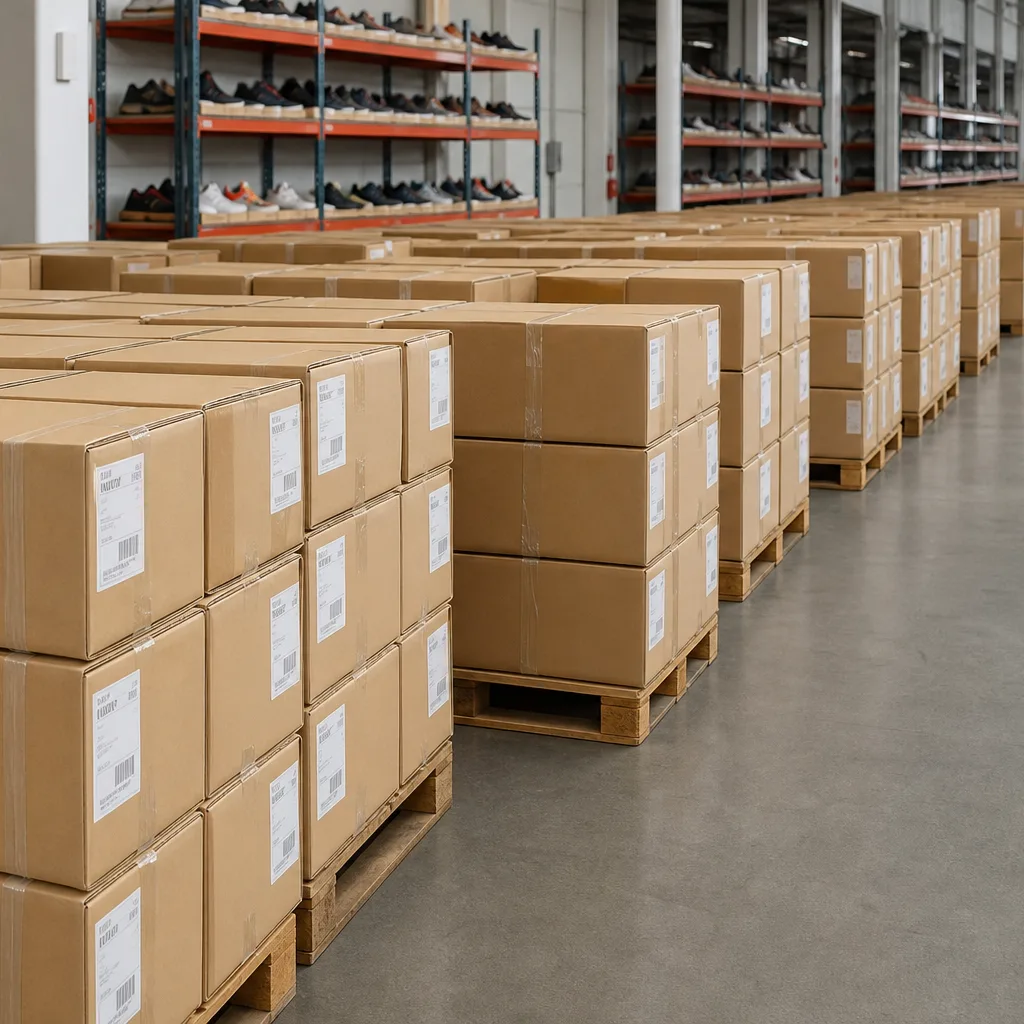
Shipping marks, style, color, size range, quantity, carton number, destination, purchase order, barcode, origin information, dimensions, and weights should match the packing list and buyer system. Approve one printed carton and scan labels where used. During final inspection, sample carton weight and dimensions and verify assortment before release.
Decision framework
Buyer checklist
- Measure production-representative packed boxes
- Set pair count within warehouse limits
- Approve carton construction for route and stacking
- Match marks to packing list and buyer system
- Verify dimensions, weight, and assortment at inspection
Continue the specification
Move from research to a controlled brief.
Frequently asked questions
Questions buyers ask next
How many pairs of snow boots fit in one carton?
It depends on boot height, box dimensions, weight limits, assortment, and logistics requirements. Determine it from the approved packed product.
Why confirm carton dimensions before production ends?
Dimensions affect freight planning, warehouse handling, and cost. Late changes can disrupt bookings, labels, and packing materials.